咨詢(xún)熱線(xiàn):0315—5920506、5255127、13803318834 簡(jiǎn)體中文 | English


關(guān)于我們
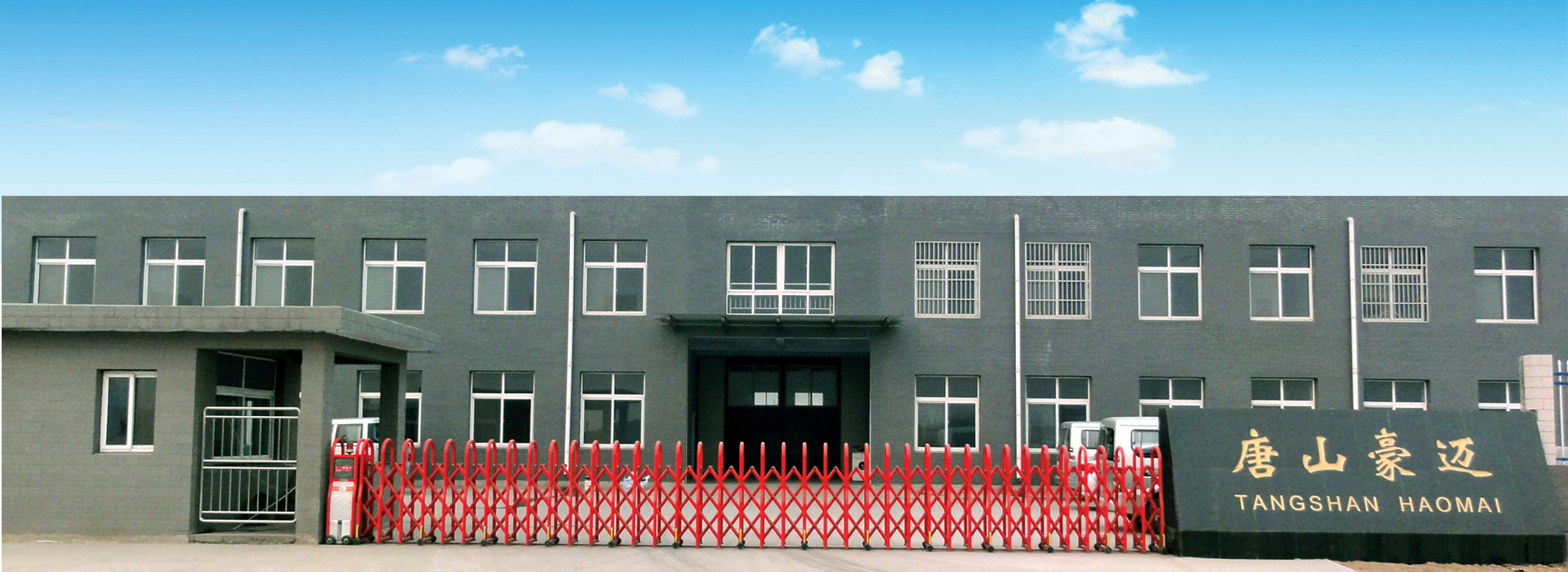
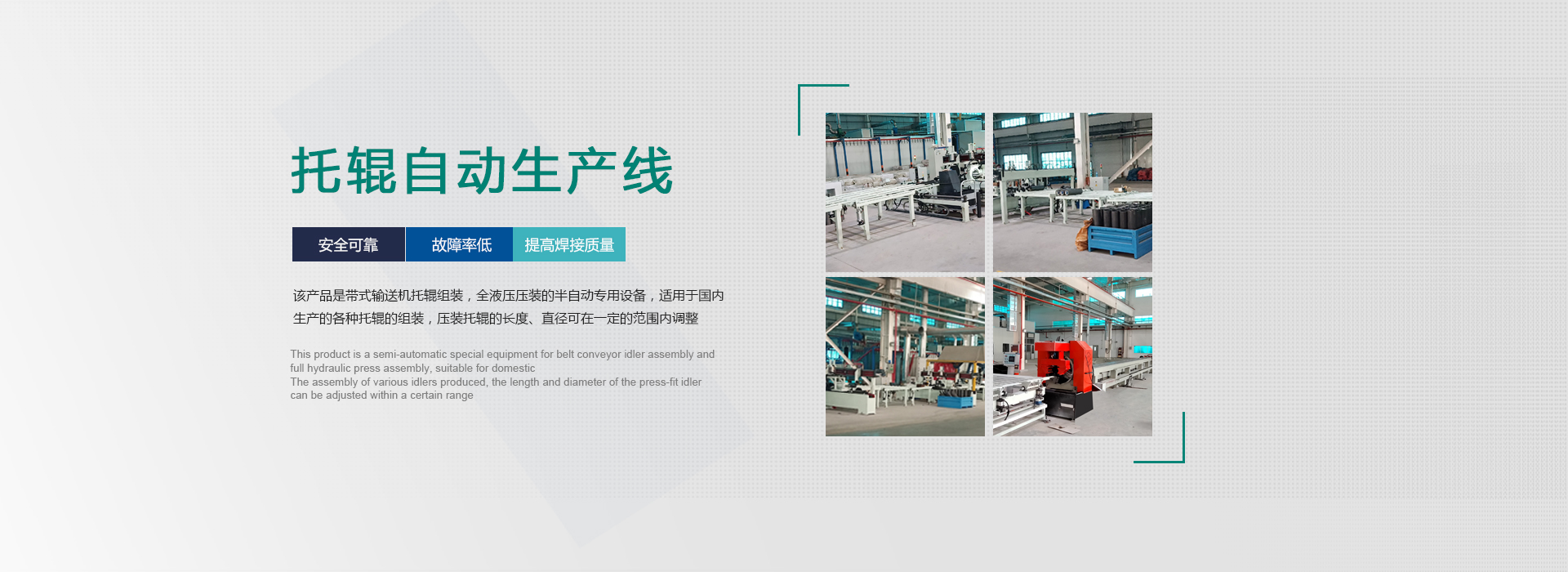
集機(jī)械、電子、焊接、計(jì)算機(jī)控制技術(shù),開(kāi)發(fā)設(shè)計(jì)、制造各種自動(dòng)焊接設(shè)備及其它專(zhuān)用機(jī)械
企業(yè)文化
以誠(chéng)信為根本,以科技求創(chuàng)新。 以質(zhì)量求生存,以用戶(hù)為上帝。

聯(lián)系我們
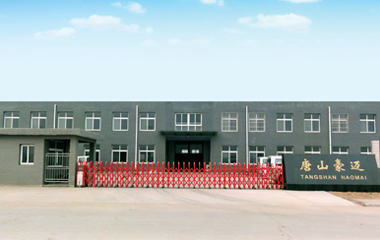
電話(huà):0315—5920506 地址:唐山市開(kāi)平區(qū)中小企業(yè)園馬北路西側(cè)聯(lián)眾道6號(hào)

新聞資訊
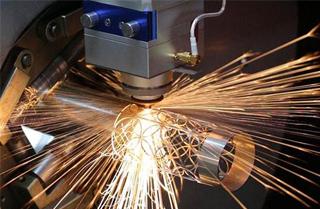 激光切管機(jī)的優(yōu)勢(shì)與實(shí)用性
在實(shí)際應(yīng)用中,管材切割成開(kāi)口截面和專(zhuān)用輥成型截面的使用越來(lái)越廣泛,也得到更多人青睞。通過(guò)激光管材...
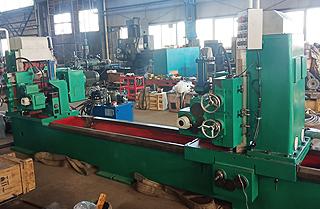 自動(dòng)銑扁機(jī)的廣泛使用
全自動(dòng)銑扁機(jī)采用振動(dòng)盤(pán)上下料,自動(dòng)進(jìn)退料操作,加工功能函蓋了大多數(shù)的生產(chǎn)行業(yè)及廣泛的用途
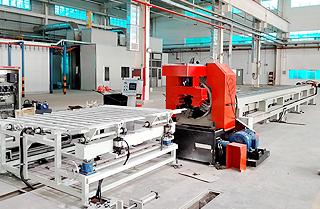 自動(dòng)生產(chǎn)線(xiàn)組裝流水線(xiàn)皮帶打滑的常見(jiàn)情況及解決方案
自動(dòng)生產(chǎn)線(xiàn)組裝流水線(xiàn)皮帶的電機(jī)負(fù)荷過(guò)大導(dǎo)致打滑。對(duì)電機(jī)也起到一定保護(hù),檢查軸承和定期進(jìn)行清理和更...
 唐山豪邁機(jī)械制造有限公司網(wǎng)站上線(xiàn)
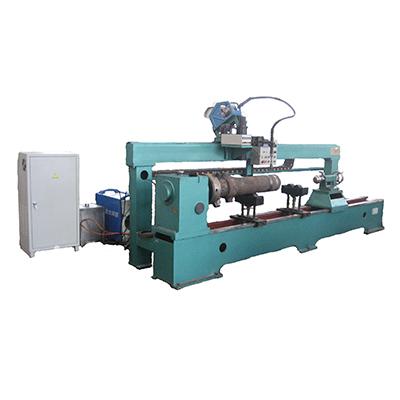
唐山豪邁機(jī)械制造有限公司集機(jī)械、電子、焊接、計(jì)算機(jī)控制技術(shù),開(kāi)發(fā)設(shè)計(jì)、制造各種自動(dòng)焊接設(shè)備及其它...
唐山豪邁機(jī)械制造有限公司 冀ICP備19031232號(hào)-1